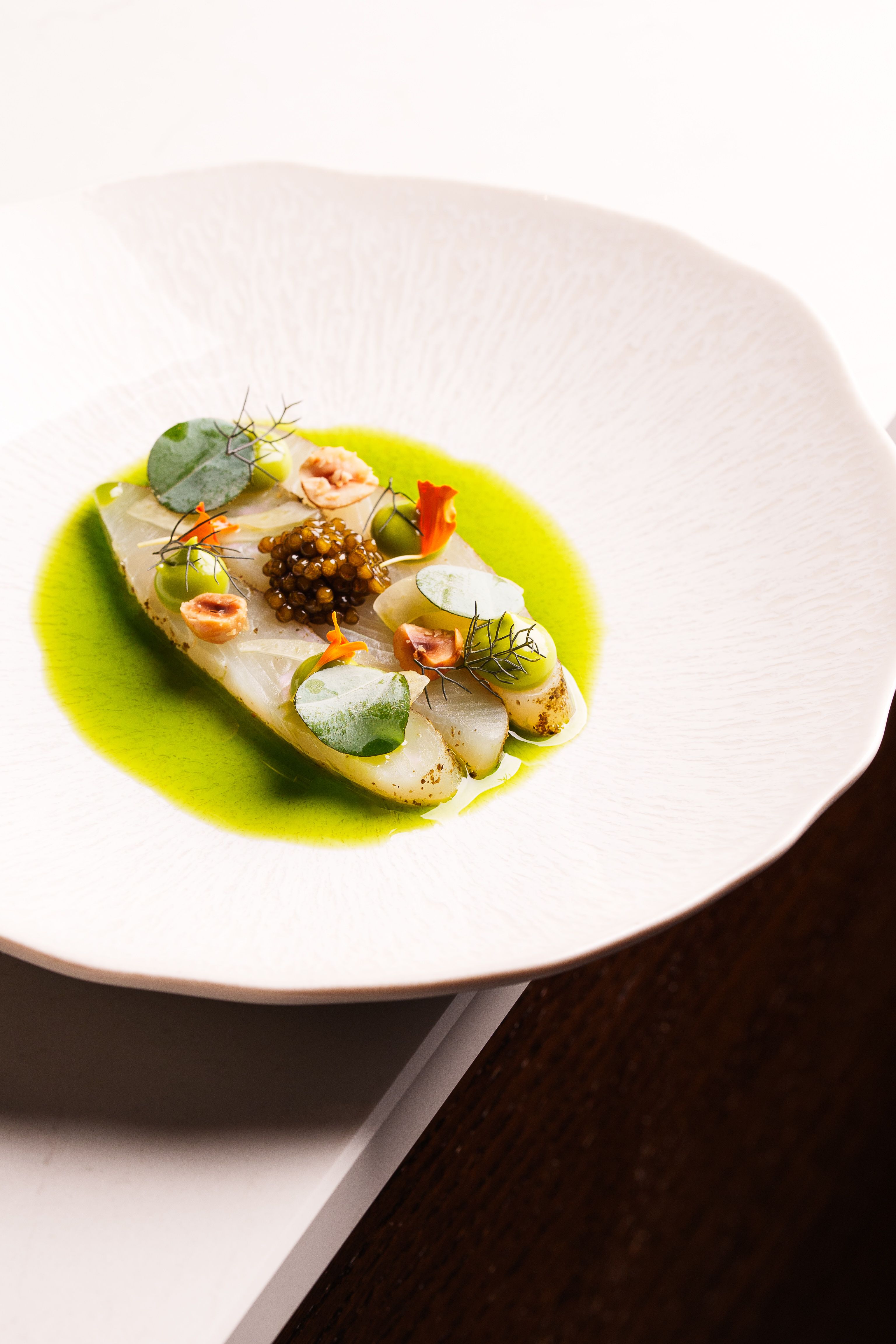
I've had this conversation more times than I can count. A restaurant or hotel gets in touch, we look at their current imagery together, and there's a familiar moment — they look at their own website as if seeing it for the first time. The photos are from three years ago, maybe four. The menu has changed. The interior has been refreshed. The whole feeling of the place has evolved. But the photography is still telling the old story.
This is the most common photography mistake I see in hospitality: not poor quality work, but work that's no longer true. Imagery that has quietly fallen out of step with who the business actually is today. And in an industry where the first impression is almost always visual — a Google search, an Instagram post, a listing on a booking platform — that gap between reality and representation costs you more than you might think.

Little Capo, Edinburgh — imagery that reflects the venue as it is right now.
The moment it changes
The most satisfying part of this work — and I mean this genuinely — isn't the shoot itself. It's the moment a client sees their finished images and says something changed. Not "these look great" or "we love them," though we hear that too. I mean the specific thing that several clients have said, in different ways, over the years: that people started to see them differently. New bookings from a different kind of guest. A press enquiry from somewhere they'd never been featured before. A corporate client choosing them over a competitor because the imagery conveyed a level of quality the competitor's photography didn't.
Photography changes perception. That sounds obvious, and it is — but it becomes very real when a client tells you it happened to them.
The gap between how a business looks online and how it actually is — that's where guests get lost. They choose somewhere else, and they never tell you why.
When to invest — and why most leave it too late
The honest answer to when a hospitality brand should invest in photography is: earlier than they do. The obvious moments are there — a new opening, a menu relaunch, a refurbishment. And those are the right moments. But in practice, most businesses wait until something is noticeably wrong before they act. Until the bookings have slowed, or a review mentions the photos don't match the reality, or a competitor's imagery is so clearly superior it becomes uncomfortable.
By then the gap has been quietly doing damage for months, sometimes longer. The better approach is to treat photography as a running investment rather than a one-off event — updating your imagery when the business evolves, not after it's suffered for not doing so.


What good photography actually does
It sets the expectation correctly. That's the simplest way I can put it. When a guest books a table or a room based on imagery that accurately reflects what they'll find — the quality of the food, the atmosphere of the space, the level of service — they arrive already aligned with the experience. There's no gap to disappoint them. The photography has done its job before they've even walked through the door.
That alignment is what we're always trying to create. Not imagery that flatters beyond reality, but imagery that tells the truth about a business at its best — honestly, compellingly, and in a way that makes the right people want to be part of it.
If you're looking at your own website right now and feeling that familiar uncertainty — the photography that was fine two years ago, the shots that no longer quite feel like you — that's worth paying attention to. It's usually telling you something.